Why Does My Writing Sound Generic? (And How to Hear It Before Your Readers Do)
By Terencio White
There's a particular discomfort in reading your own draft and not recognizing yourself in it. The words are correct. The sentences are complete. But something is missing: the part that makes it yours. If you've been asking why your writing sounds generic, the answer is almost never "because you're a terrible writer." It's because certain habits pull prose toward the center, toward the register that sounds like everyone and no one at once.
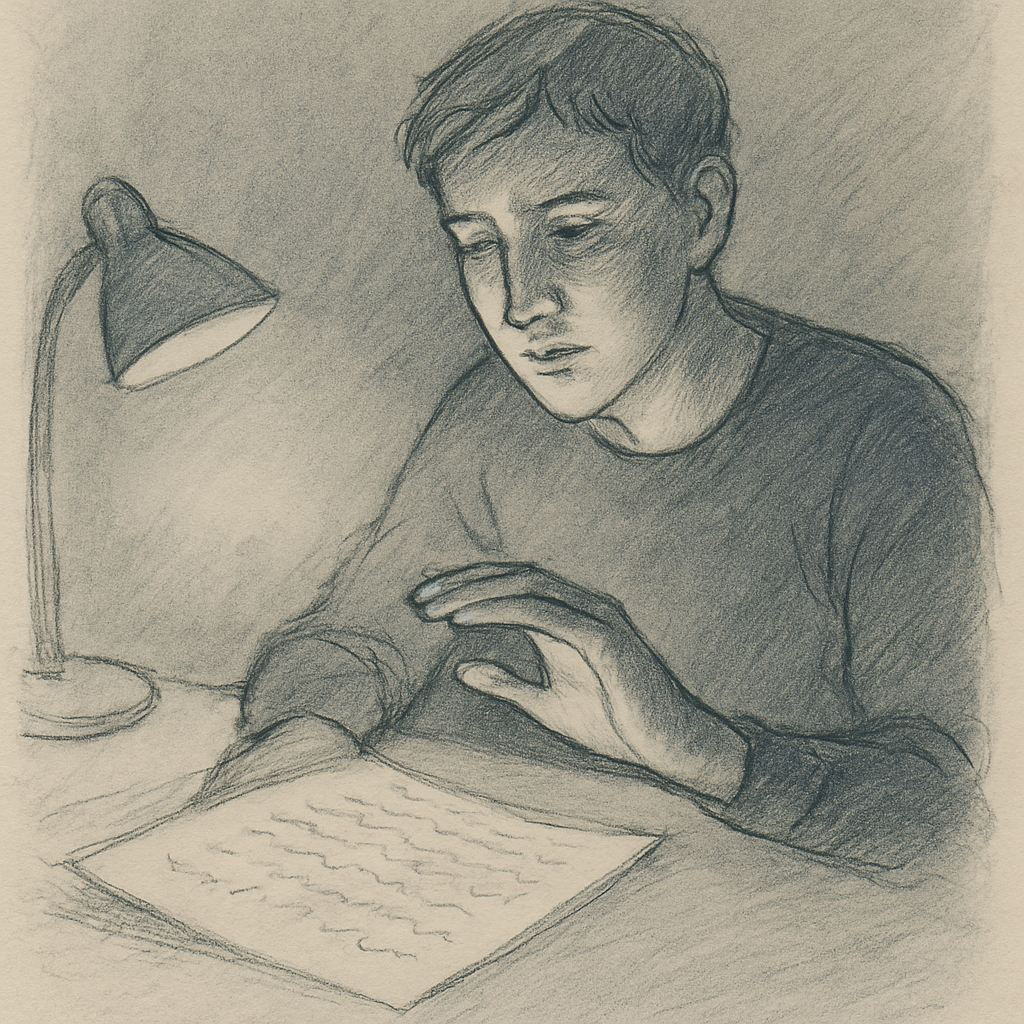 Here's how to identify those habits before they calcify.
The prose sounds smooth in a way that hides the thinking
The most common sign that your voice has slipped is writing that moves easily. Sentences that don't catch. Ideas that arrive formed and packaged, with no friction and no trace of how you think.
Real voice has texture: a pause in an unexpected place, a word that doesn't quite fit but fits better than the polished alternative, a sentence that's longer than it should be because the thought is genuinely tangled. When you polish that texture away, you're not making the writing better. You're making it unrecognizable.
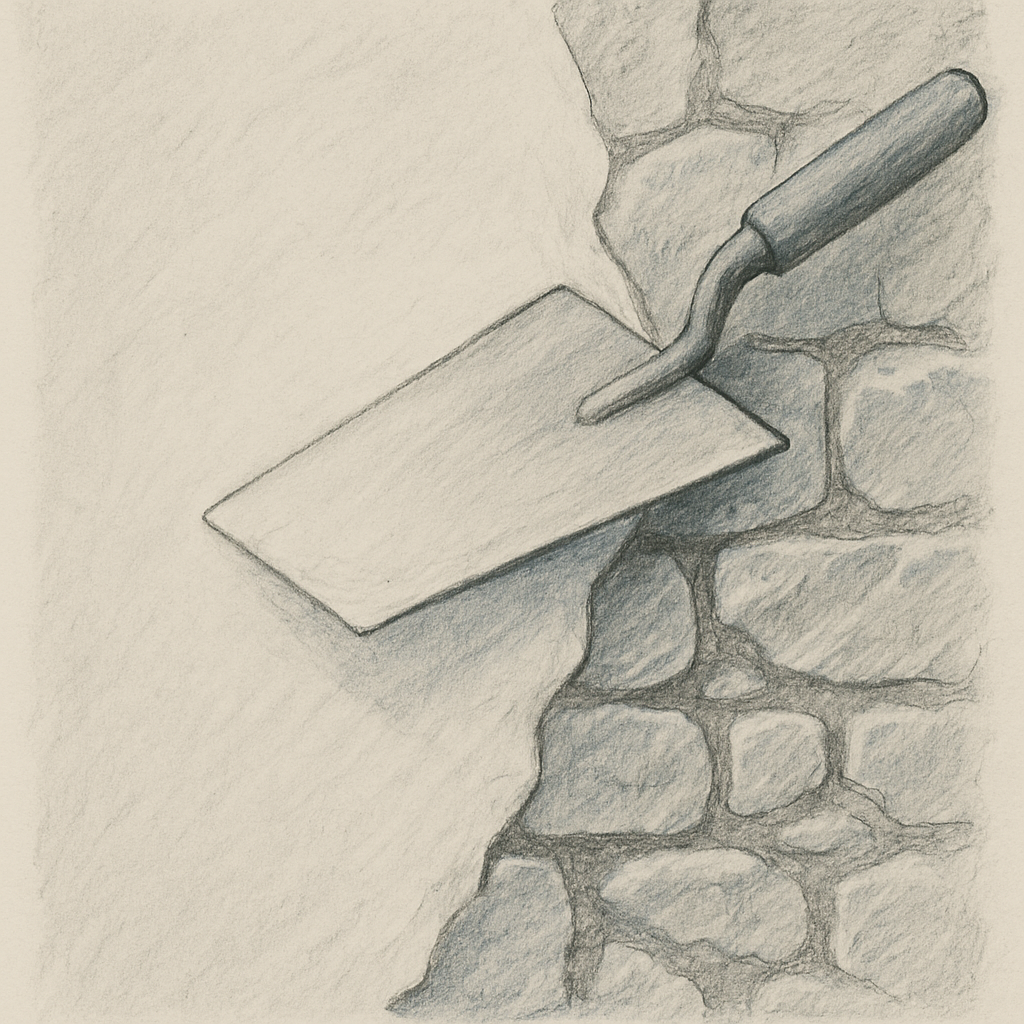 If anyone could have written it, that's a sign. Your writing should have your personal stamp on it the way you see things, your favorite words, or your own observations, not just what strangers might write.
The words do the job but none of them are yours
There's a second register problem, subtler than the smoothness issue. It's when vocabulary is borrowed without noticing.
Content strategy. Circle back. Unpack. It's worth noting. These phrases didn't start as clichés; they started as someone's useful shorthand and then spread until they stopped meaning anything. When they appear in your writing, they're doing the structural work of pointing toward an idea without expressing it.
The same is true of whole sentence shapes. What I realize is… followed by something obvious. The truth is… followed by a generality to avoid a real conclusion.
None of this is about following arbitrary rules. It's about whether the words in your draft are the words you would use if you were explaining the same thing out loud to a person you trusted. If there's a gap between those two versions the written draft and the spoken explanation — that gap is where your voice went.
The structure is borrowed from the genre, not built from the idea
Every format has a gravity. The newsletter has one. The essay has one. The how-to post has one. Spend enough time reading in a genre and you absorb its shape: an introduction that frames the problem, three sections that address it, conclusion that wraps it up . The shape works. It also produces work that reads like the genre before it reads like you.
Voice isn't only about word choice. It's about where you put things, what you leave out, when you decide the piece is over, which idea gets the last line. A piece written in the standard shape of its genre will sound generic even if every word in it is precise, because the structure itself signals "this is a type of thing" rather than "this is a specific thing I needed to say."
The structural question worth asking: if you removed the topic, would the piece have a shape that's yours? Or is the shape interchangeable with any other piece in the category?
You wrote it to be agreeable, not to be true
This one is harder to see in yourself. Generic writing is often writing that has been unconsciously edited toward consensus positions, softened, qualifications added, and edges rounded off. Not out of dishonesty, but out of the reflex to not alienate the reader before they've finished the piece.
The result is prose that takes positions without taking them. Many people find that… It depends on the situation. Both approaches have merit. These are true as far as they go. They're also safe in a way that costs the reader what they came for, your actual read on the thing.
Writing that sounds like yours has something staked in it. A specific claim. A distinction you're willing to make that someone else might not make. When you read it back and think that might bother someone, you're often in the right place.
What to do with the diagnosis
If any of these patterns feel familiar, the fix isn't to rewrite from scratch. It's to read the draft out loud and mark every sentence where you'd have said it differently in conversation. Those marked sentences are where the revision happens — not everywhere, not toward an original style, but back toward your own.
That's the whole point: head back to your place. Not aiming for something more intriguing, more literary, or what suits another's newsletter. Getting back to your voice, beyond the stuff you've learned to say.
Voice doesn't disappear. It gets covered. The work is uncovering it and recognizing the patterns that covered it.
If you want somewhere that remembers how you write so you're not re-explaining yourself into a blank window every session, that's what we've built Verbaria to be. Learn more
Frequently Asked Questions
Why does my writing sound like AI when it's not?
AI-generated prose is trained on vast amounts of average writing, so it defaults to the smoothest, most consensus-shaped version of any idea. When your own drafts sound that way, it means you've been polishing out the texture, the friction, the specific word, the tangled sentence that marks a piece as yours. The writing is correct, but stripped of the things only you would put there.
How to fix verbose writing?
Read the draft out loud and mark every sentence where you'd have said it faster or differently in conversation. Then cut or rewrite those sentences toward the spoken version. When you're being wordy, it's not about using tons of words, but using words that sort of point to an idea instead of just saying it. To fix it, just swap them out for what you mean.
How do you stop your writing from sounding like AI?
Stop editing toward smoothness and start editing toward specificity. AI prose is smooth because it averages; your voice has texture because it comes from a particular person looking at a particular thing. Keep the word that doesn't quite fit, but fits better than the polished alternative. Keep the sentence that's a beat longer than convention says it should be. The friction is the voice.
What is generic writing?
Generic writing is prose that could have been written by anyone. It uses the standard vocabulary of its genre, takes positions without staking anything, and follows a structure borrowed from the format rather than built from the idea. It's correct and easy to read, but leaves no trace of a specific person's way of seeing the world.
Why does my writing sound generic?
Writing becomes generic when borrowed phrases, polished-away texture, and consensus-seeking edits accumulate faster than you notice them. The draft sounds like the genre rather than like you because the structure, vocabulary, and positions have all drifted toward the center, toward what's safe and agreeable rather than what's true for you. The fix is reading for the gap between how you wrote it and how you'd say it out loud.
Why does everything I write sound like ChatGPT now?
If your drafts sound generic, it's often because the same habits that make AI prose generic smooth structure, borrowed phrases, positions softened toward agreement have crept into your own process, through over-editing or through spending too much time reading content that already sounds that way. The antidote is getting back to the spoken version of your thinking: how you'd explain the idea to someone you trust, without performing it.