Does This Still Sound Like Me
By Terencio White
 Does this still sound like me? Volume won't answer it. You could write five hundred words a day for a year and end up further from your own voice than when you started, if those words are spent in tools that sand them flat.
A practice built around completion, and a voice somewhere behind it, hoping to survive.
- Volume won't answer the question. A year of words in the wrong tools can leave you further from your voice.
- Voice isn't found by producing more. It's found by noticing what's already there.
- Talk it out before you open the blank document. What comes out spoken is your voice.
- Voice gets stripped in the capture, not in the edit.
- Read your work back and ask whether it sounds like you. Not whether it's good.
Volume was never the point.
How Do You Find a Voice You Already Have?
 Voice isn't found by producing more. It's found by noticing what's already there and refusing to let the process remove it. The inversion is small and changes everything: before you open a blank document, you talk it out, not to anyone, out loud, or into a memo.
You tell yourself what you're trying to say as if explaining it to someone you trust. What comes out in that spoken version is your voice. The practice is learning to get that onto the page without losing it in translation.
Before the blank document, talk it out.
What Strips the Voice Out of a Draft?
 Voice gets stripped by optimization, by reading your draft and asking whether it sounds 'professional' or 'clear' by some external standard, by running it through a tool that has never met you and asking it to improve the prose. None of those moves are wrong in themselves.
The problem is doing them before you've gotten something honest onto the page. The attempt happens; the result comes back smooth and emptied; the problem turns out to be not the tool but the sequence, and the sequence is already in the past.
Smooth is not the same as yours.
Why Can't You Find Yourself in Your Own Draft?
 If you read a draft back and can't find yourself in it, the problem always happened early not in the edit, in the capture. You wrote toward what you wanted the piece to sound like instead of what you had to say. That's a practice problem. And it's fixable. The shift is not despair; it is the relief of a correct diagnosis. The cost comes into view as the path forward does.
Not in the edit. In the capture.
The One Question to Ask Every Draft
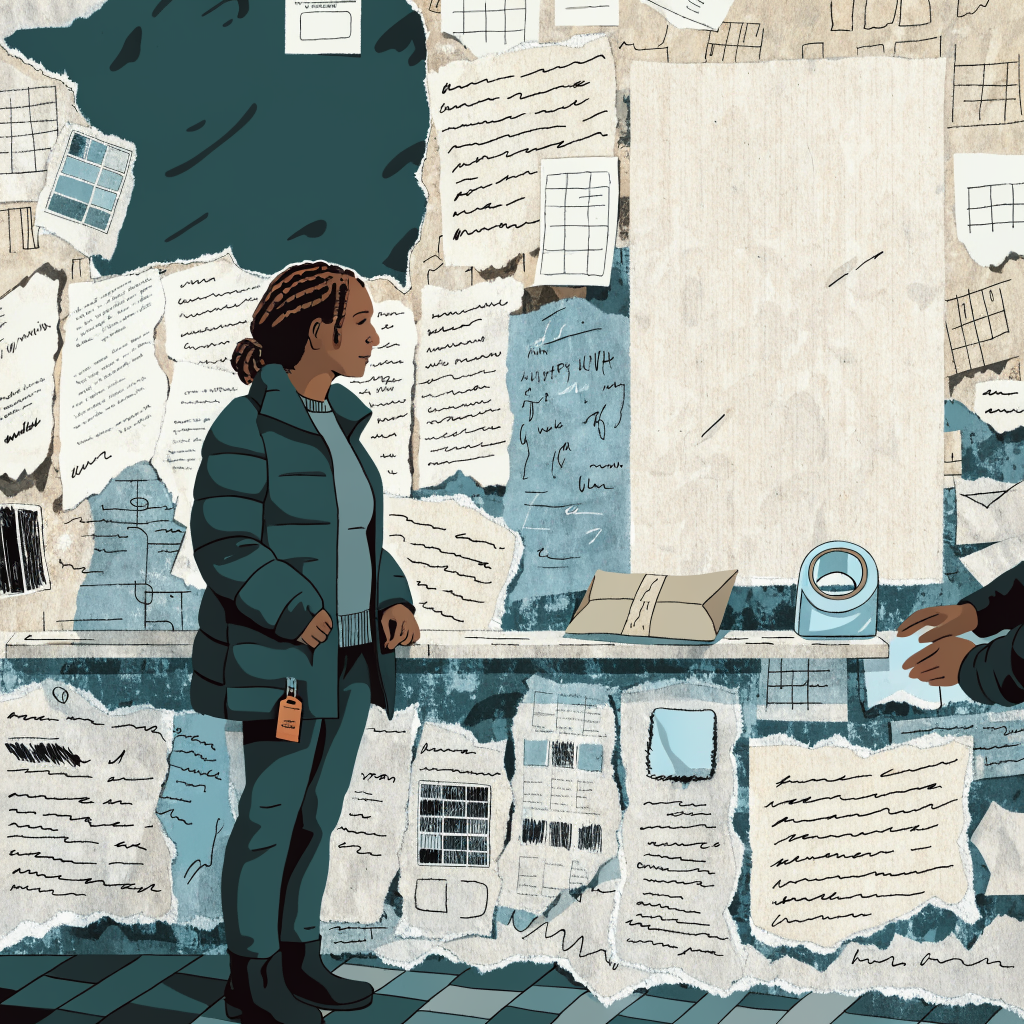 The one question that holds across every kind of writing practice: read your work back to yourself and ask whether it sounds like you. Not whether it's good. Not whether it will land. Whether it sounds like the person who wrote it. This is the question that can no longer be put off not because anything dramatic has happened, but because the cost of not answering it has become clear. The confrontation is private, undramatic, and total.
Most tools aren't built for it. The ones worth using are the ones that treat your voice as the thing to preserve, not the thing to improve away.
Does this still sound like you?
What Do Writers Who Keep Their Voice Do Differently?
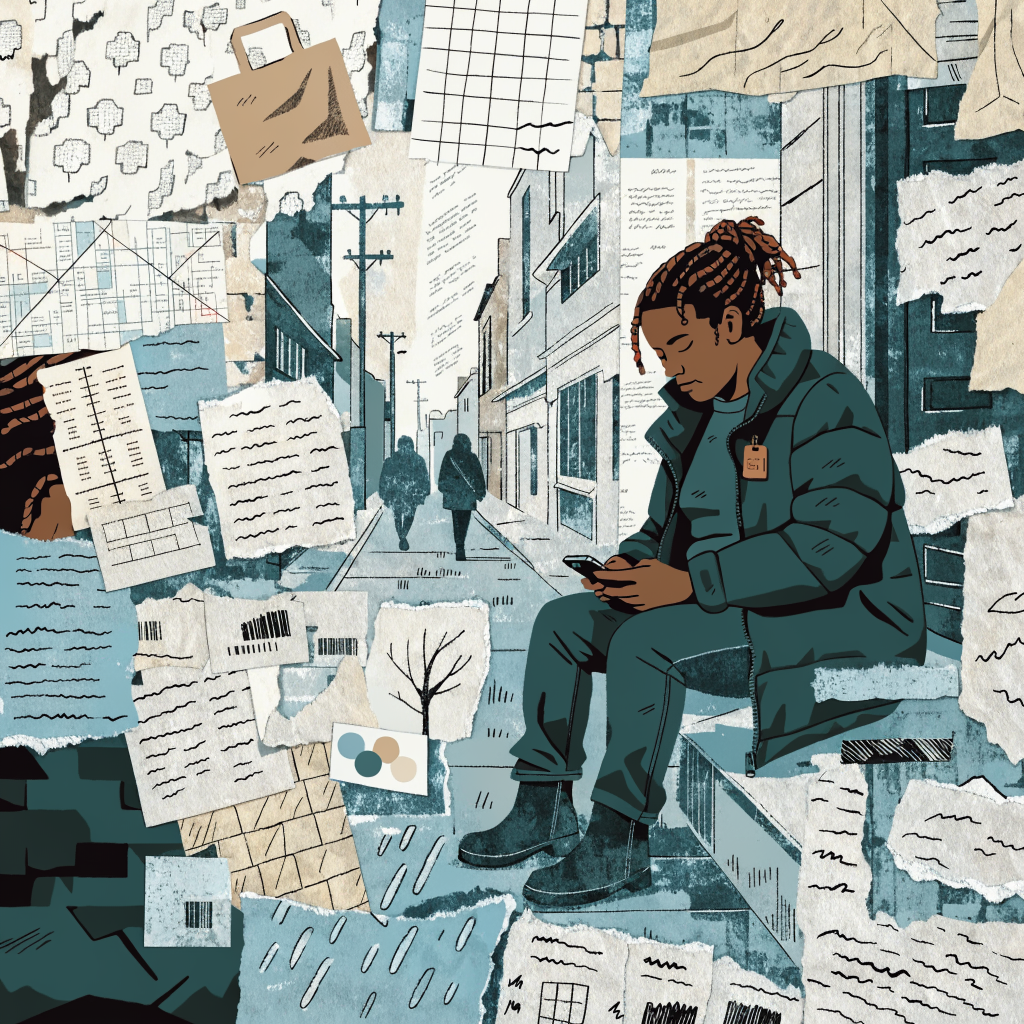 The writers who keep sounding like themselves over the years aren't the ones with more talent or more discipline. They're the ones who built a practice around the right question: Does this still sound like me? Start there. Build from there. The rest is just showing up. The new state of things is not transformation it is a person on an ordinary stoop, in a coat that has been on all winter, with somewhere real to begin from.
The rest is showing up.
Told as "The plain arc" The three-act shape, as codified for screenwriting by Syd Field (Screenplay, 1979) — here at its plainest density.
FAQ
Will writing more help me find my voice? No. Writing more won't answer the question. A year of words spent in tools that sand them flat can leave you further from your voice than when you started. Voice is found by noticing what's already there and refusing to let the process remove it.
What should I do before I open a blank document? Talk it out. Not to anyone, out loud, or into a memo. What comes out in that spoken version is your voice, and the practice is getting it onto the page without losing it in translation.
Where does a draft lose its voice? In the capture, not the edit. Voice gets stripped by optimization, by external standards of 'professional' or 'clear', by tools that have never met you. The problem is doing any of that before something honest is on the page.
What question should I ask every draft? Read your work back to yourself and ask whether it sounds like you. Not whether it's good. Not whether it will land. Whether it sounds like the person who wrote it.